


Our Services
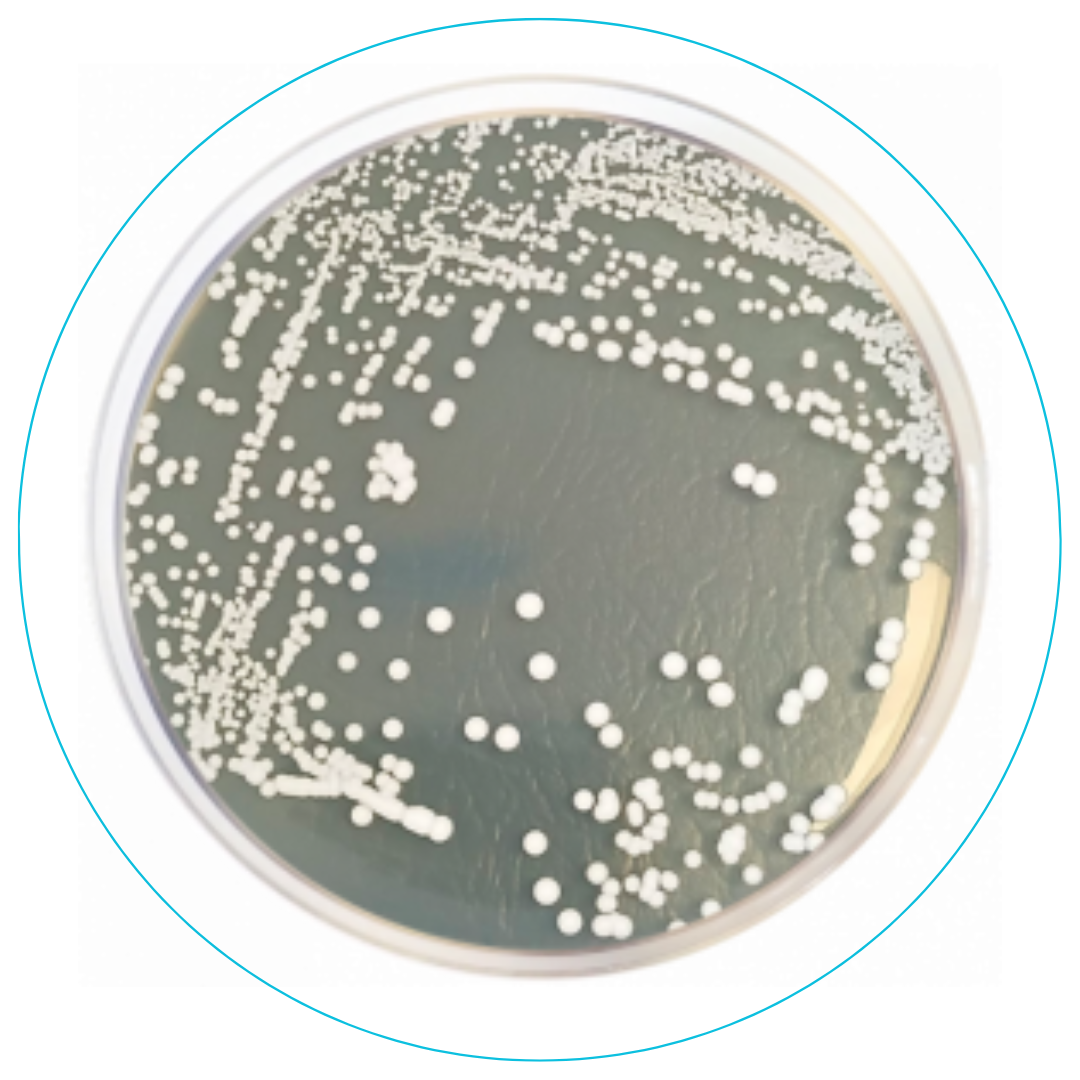
Microorganism isolation
We carry out the isolation of microorganisms (mainly yeasts) with the purpose of obtaining axenic (pure) cultures from environmental, industrial, or biological samples.
Developed through the implementation of:
- Selective culture media.
- Enriched culture media.
- Cross-streak inoculation.
- Streak plating by serial dilution.
Yeast identification
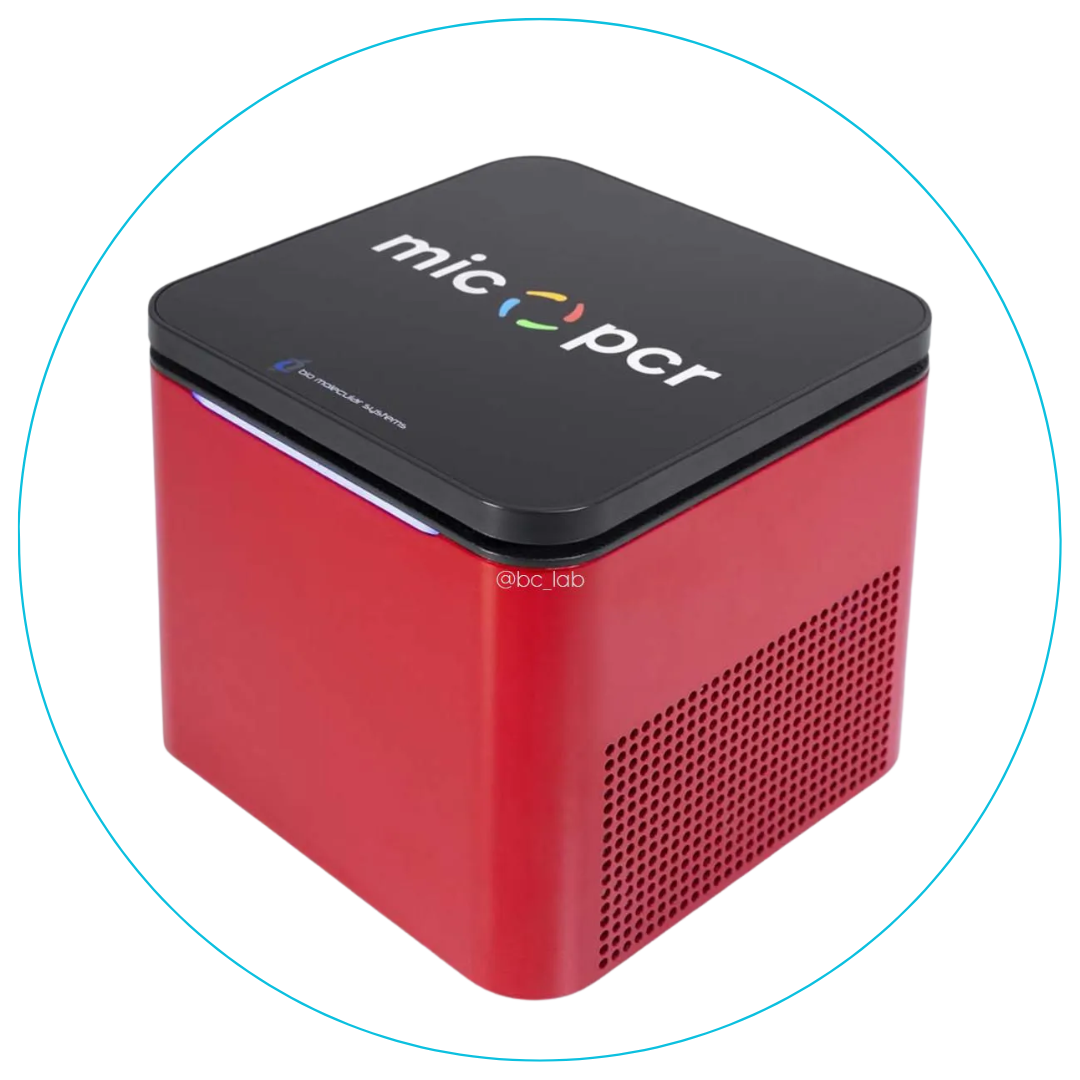
We ensure the accurate identification of up to 12 types of axenic yeasts or yeast consortia using DNA amplification techniques (RT-qPCR) on the MIC system.
dentification of different species of:
- Saccharomyces
- Torulaspora
- Klyveromyces
- Debaromyces
as well as the genera::
- Dekkera spp.
- Rhodotorula spp.
- Candida spp.
- Pichia spp.
- Hanseniaspora spp.
Yeast propagation
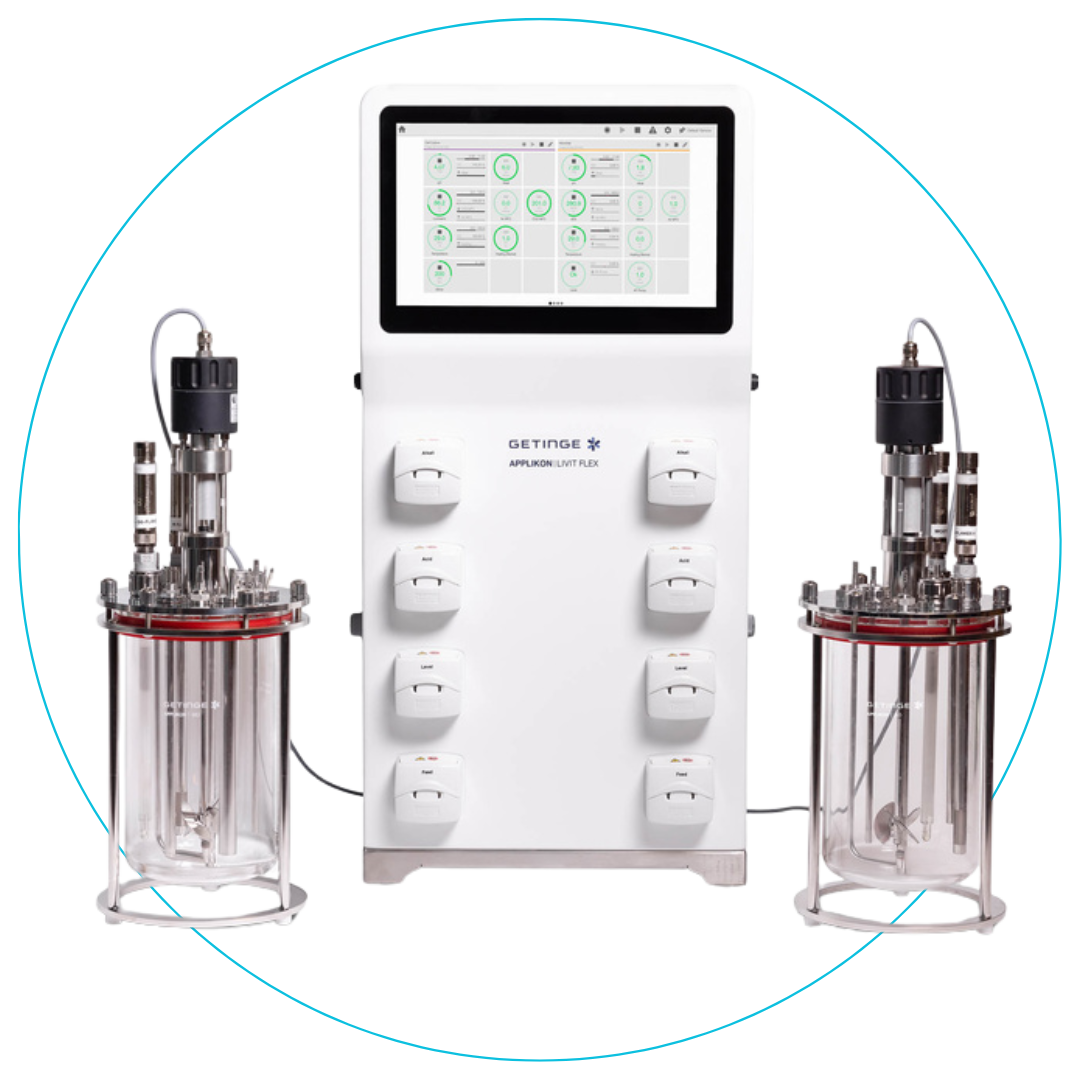
We promote yeast propagation and the design of fermentations using the automated Livit Flex system (the only one of its kind in Latin America).
Los Types of fermentations that can be carried out are:
- Batch
- Fed-batch.
- Perfusion
- Continuous.
Los The parameters evaluated are:
- Temperature
- pH.
- Dissolved oxygen.
Design of fermentations
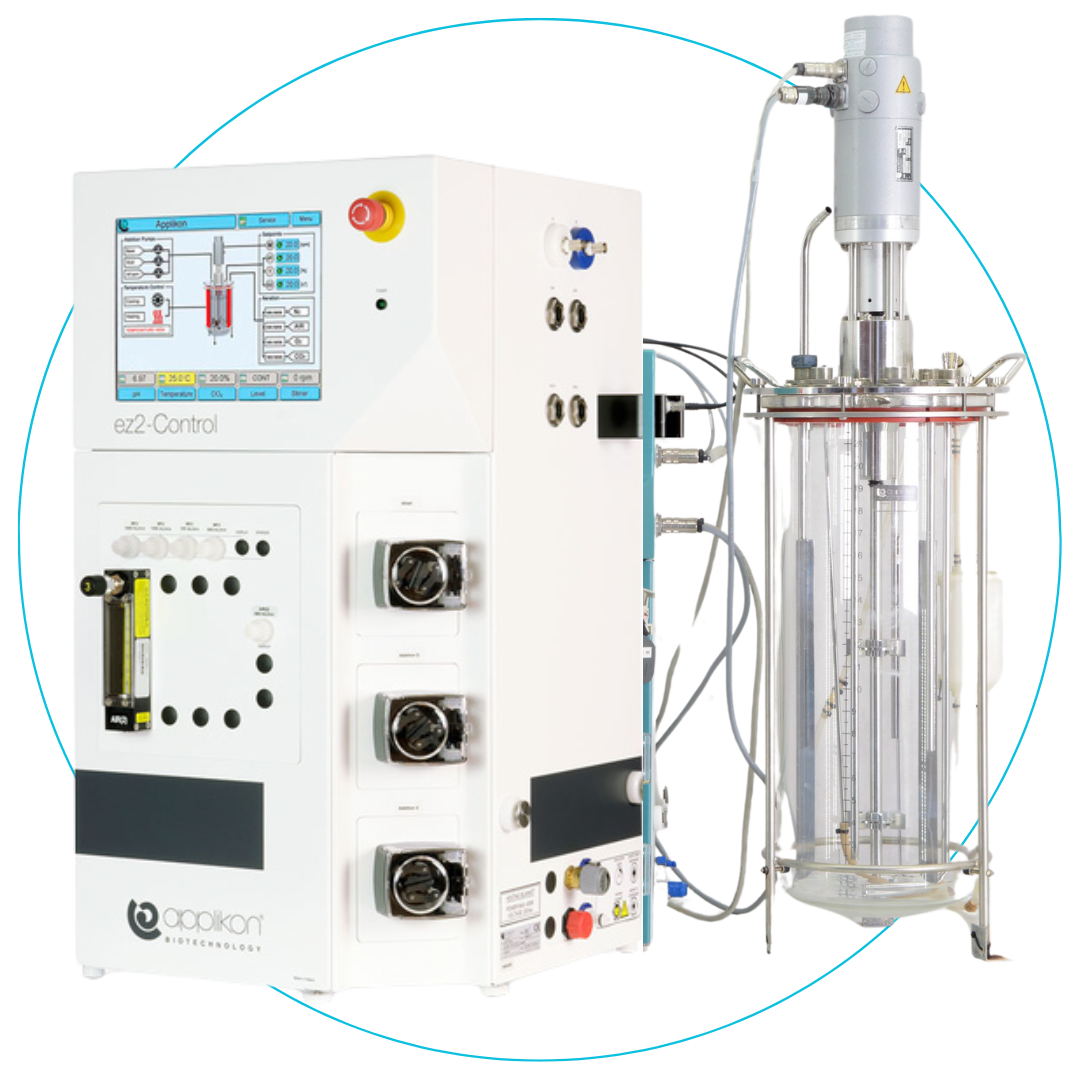
In addition to the Livit Flex system, we have the ez2-Control system, a second unit for the propagation and design of fermentations.
In addition to the Livit Flex system, we have the ez2-Control system, a second unit for the propagation and design of fermentations.
Like the Livit Flex system, it allows transfer engineering for bioprocesses
In addition to being a controlled and high-precision system, it supports bioreactors of up to 20 L.
Customized fermentation design
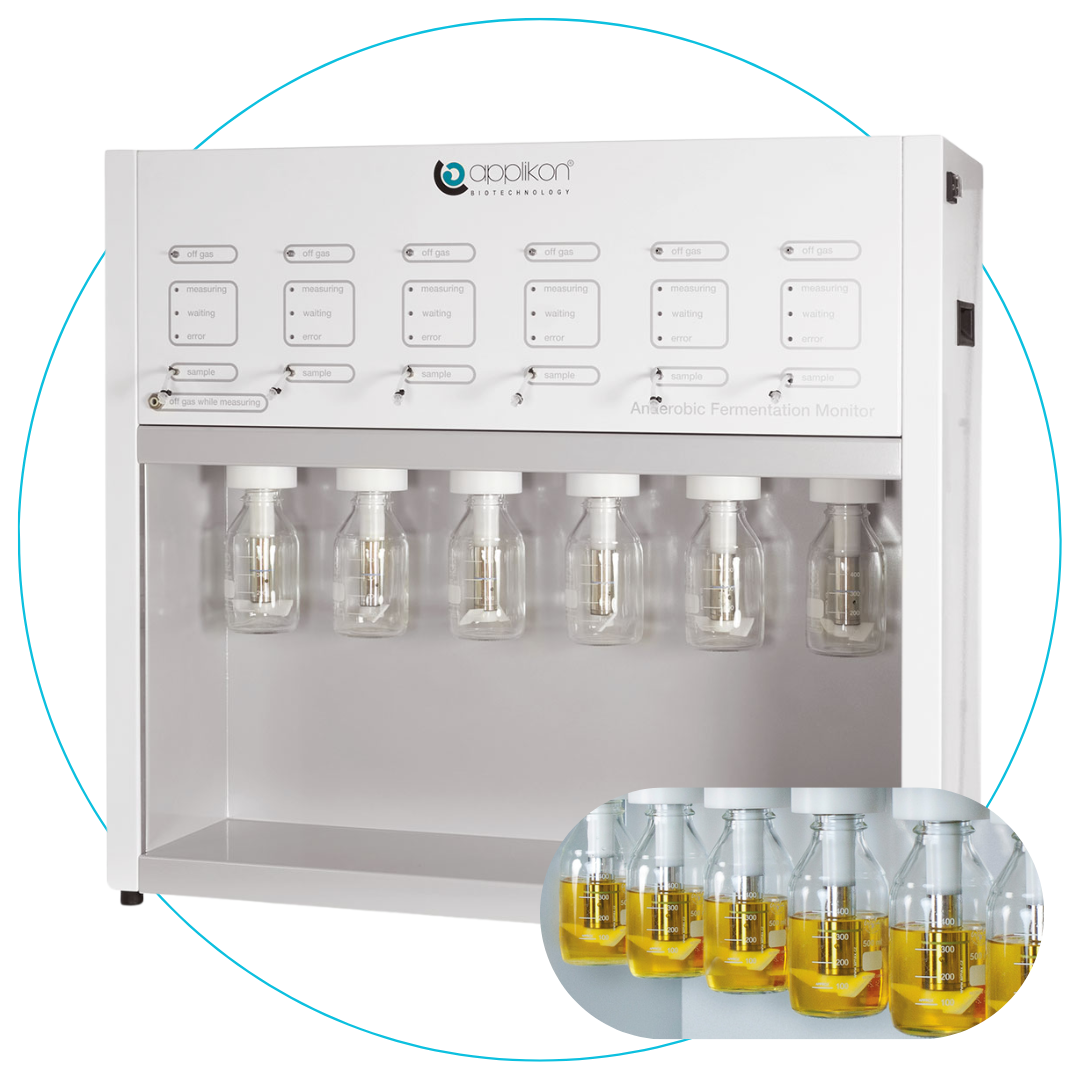
The optimization of alcoholic fermentation is carried out in the AFM system using independent factorial designs, with automated detection systems evaluated every minute.
Las variables that can be manipulated are:
- Yeast.
- Total solids (°Bx).
- Nutrients.
- Antimicrobials.
- Temperature (static or in gradient).
Los The parameters evaluated are:
- Temperature
- CO₂ produced.
- Accumulated CO₂.
- Theoretical alcohol produced.
Quantification of compounds
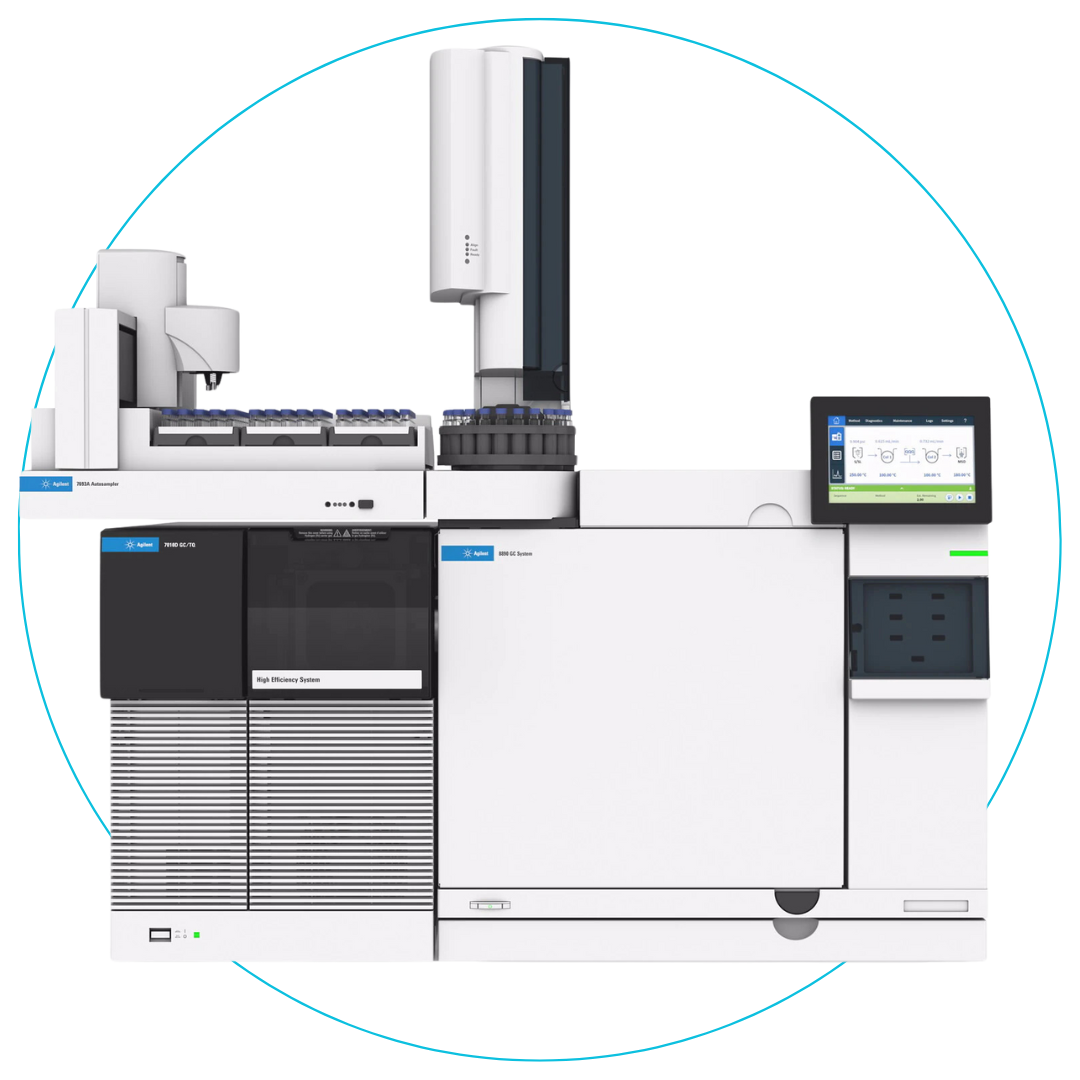
We have a gas chromatography system coupled to a flame ionization detector (GC-FID, Agilent), and it will soon be coupled to mass spectrometry.
Equipped with:
- Two autosamplers (7693A, Agilent).
- Two 60 m columns (DB-Wax UI, Agilent).
- Flame ionization detector (FID).
We perform the identification and quantification using standards of:
- Metanol.
- Acetaldehyde.
- Higher alcohols.
- Higher alcohols.
Cuantificación de compuestos fenólicos
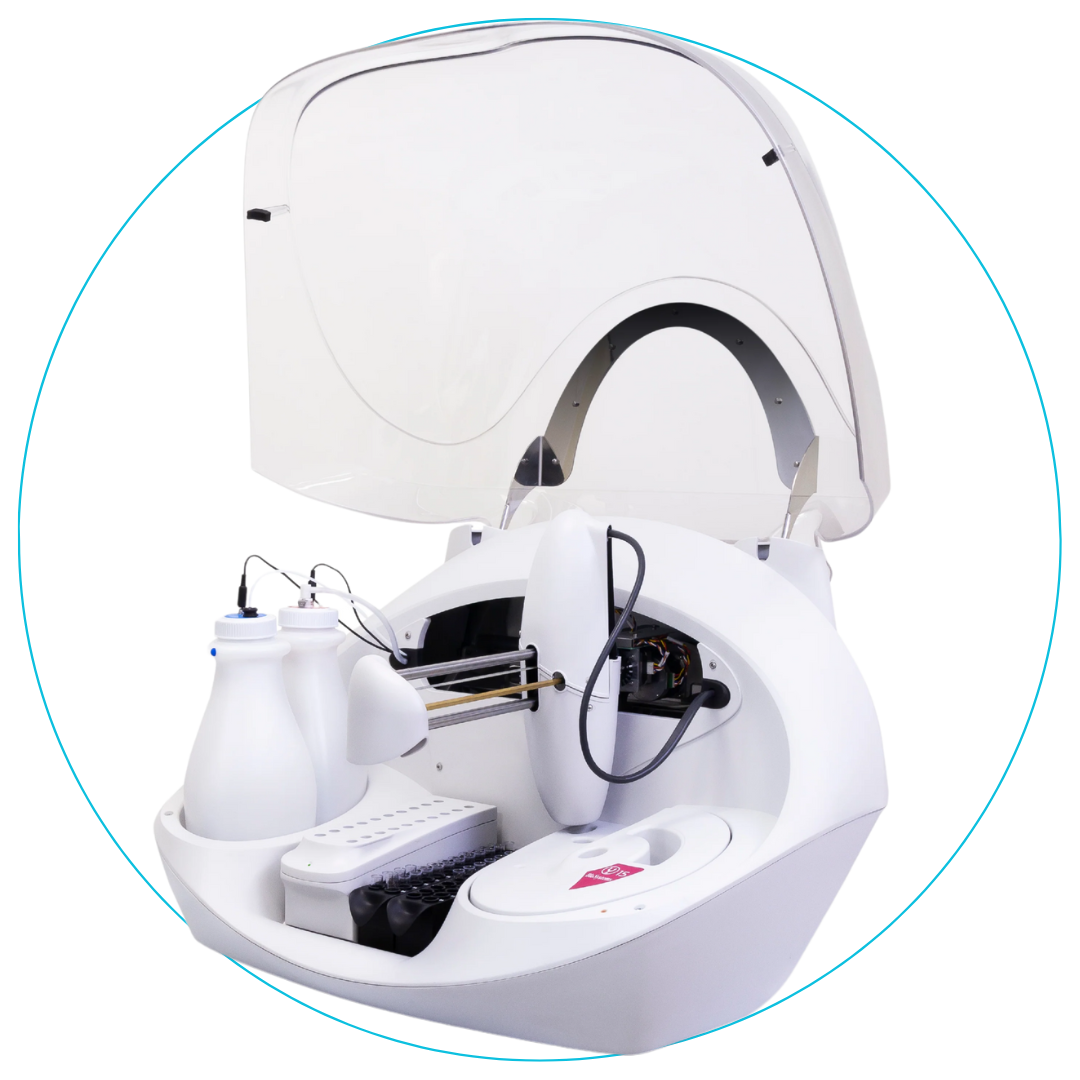
We perform the detection of total phenolic compounds in wine samples and other products using an automated multiparametric system Y15 (BioSystems).
Method used:
- Folin-Ciocalteue.
Expandable to analysis of:
- Organic acids.
- Sugars.
- Ions.
- Sulfites.
- Nitrogenous substances.
- Allergens.
- Mycotoxins.
Cell count and viability.
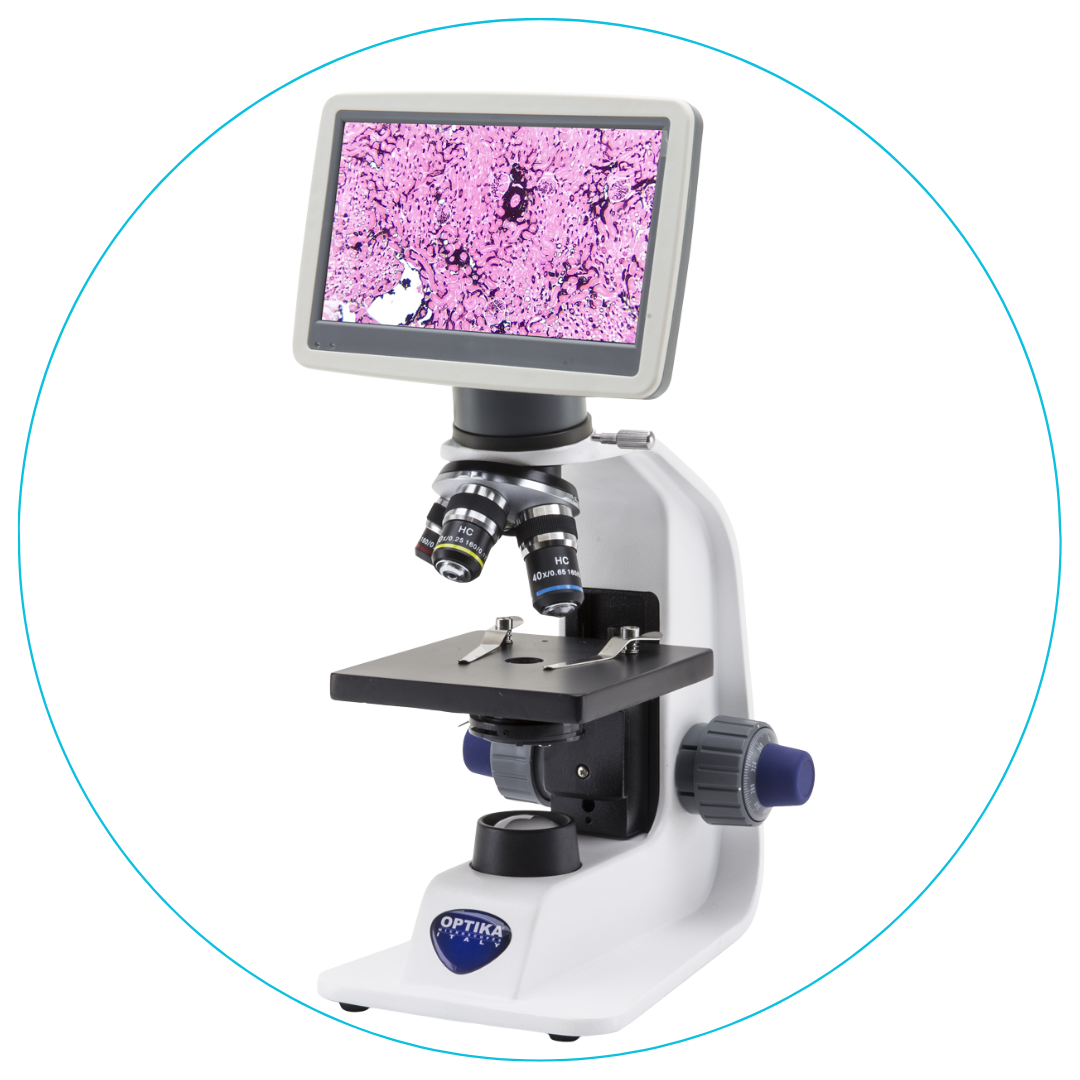
We offer cell count and viability services for yeast.
We offer cell count and viability services for yeast.
Counting using a chamber of Neubauer.
Cell viability assessment assays.
- Staining and visualization by brightfield optical microscopy.
- Plate counting.
Alcohol richness analysis.
We determine the alcohol content (%) in musts, fermentations, and distillates of different products.
